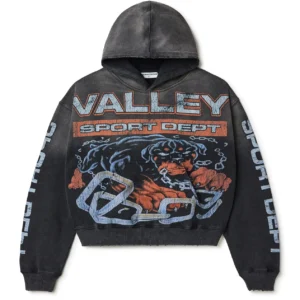
Vale hoodie with everyday streetwear appeal
The real draw here is how easy it is to wear without the outfit feeling lazy. It has that balance a lot of people look for — comfortable enough for daily use, but still sharp enough to keep the full look from falling flat. Worn with washed denim, cargos, or soft sweatpants, it creates the kind of effortless styling that feels natural instead of overly planned. That makes it an easy choice for repeat wear.
Men’s vale hoodie and relaxed casual styling
This kind of fit works best when the goal is comfort with some structure behind it. Think loose jeans, straight-leg cargos, easy sneakers, and outer layers that do not fight for attention. The overall effect feels relaxed, but not careless. That is what makes it strong. It fits naturally into daily outfits that are meant to be lived in, while still giving the look enough shape to feel intentional from top to bottom.
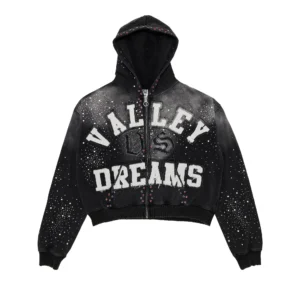
Black vale hoodie as the easiest everyday option
There is a reason darker pieces stay in rotation longer — they solve styling problems fast. A shade like this gives you a clean base and works with almost anything, whether the rest of the outfit leans minimal, rugged, or more street-focused. It is the kind of piece you can wear on repeat without feeling like every outfit looks the same. That flexibility is what makes it such an easy everyday option.
Why it works so well:
- pairs easily with denim, cargos, and sweats
- keeps outfits clean without looking plain
- works across casual and layered looks
- feels easy to dress up or strip back
Pink vale hoodie with a brighter outfit mood
A brighter tone changes the whole feel of an outfit right away. It adds more life, more personality, and a stronger visual point without needing anything too complicated around it. The best way to wear it is usually the simplest one: let the color lead and keep the rest of the outfit grounded. That balance keeps the look expressive but still wearable, which is where brighter pieces tend to work best.
A simple way to balance it:
- darker pants
- clean sneakers
- fewer competing details
- a calmer overall palette
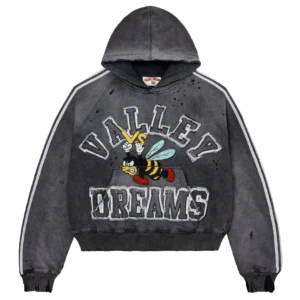
Vale Forever grey hoodie in neutral daily looks
Neutral shades always earn their place because they give you flexibility without draining the outfit of personality. This one sits right in that sweet spot — softer than black, easier than louder colors, and smooth enough to work across different outfit moods. It pairs naturally with cream, white, black, and faded blue, which gives you room without making the fit feel repetitive. That is why it tends to be one of the easiest options to keep coming back to.
Vale hoodies across different styles and colorways
A strong category should never feel one-note, and that is what makes this lineup more interesting. Some pieces lean cleaner and simpler for daily wear. Others come through with more visual energy, stronger contrast, or a more noticeable finish. That mix matters because people do not dress for the same mood every day. Sometimes the right move is subtle. Other times, the outfit needs more edge. A category feels stronger when it leaves room for both.
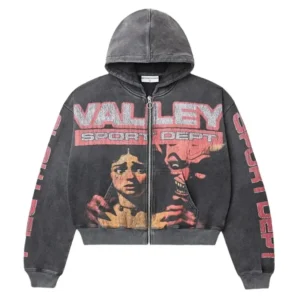
Vale Forever Casper zip up hoodie in easy layered outfits
Zip-up styles always bring more flexibility to a wardrobe, and that is especially true here. Worn open over a tee, zipped with relaxed pants, or layered under a jacket, it gives the outfit more movement without making the look feel overworked. That is what makes it so easy to come back to. It feels practical, but never plain, and it works especially well for casual layering when the day shifts and the fit needs to move with it.
Best used in outfits with:
- a plain tee underneath
- relaxed pants or cargos
- light outerwear when needed
- cleaner footwear to keep the shape balanced
Vale Forever Dreams zip up hoodie pink with a brighter streetwear edge
Some pieces are built to blend in. This is not one of them. The color already gives the outfit a stronger point of view, which means the smartest styling choice is usually restraint everywhere else. Keep the pants cleaner, the footwear simpler, and the extra details under control. That way the top stays at the center of the look where it belongs. The result feels bold, fresh, and confident without tipping into something messy or overdone.
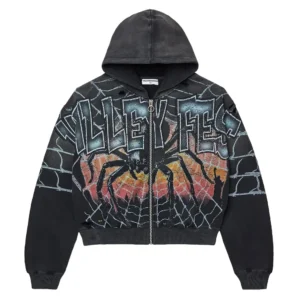
Vale Forever cheetah hoodie with bold visual energy
A design like this naturally pulls focus, so the rest of the outfit works best when it stays measured. Simple bottoms, understated sneakers, and cleaner layers usually create the right balance. That contrast is what keeps the full look sharp. Instead of competing with the print, the rest of the outfit supports it, which makes the visual impact feel more deliberate and a lot easier to wear in real life. Strong pieces usually work best when they get space.
Valeforever as a recognizable streetwear search term
Searches like this usually come from people who already know the kind of look they want. They are not browsing at random — they are looking with more intent. That is why the page needs to feel clear, useful, and easy to move through from the start. Good category copy should help people understand the mood of the lineup, compare styles more naturally, and get closer to the right choice without sounding stuffed or mechanical.
FAQ
How does Vale Forever hoodie fit?
Most styles lean relaxed, so the overall feel is comfortable and easy without looking sloppy. That shape works especially well for casual wear, light layering, and everyday outfits that need a little room without losing structure.
Are these styles true to size?
Usually, yes. A regular size is often the best place to start if you want a natural fit. Going up makes more sense if you prefer a roomier silhouette or want a looser look through the body.
What is the easiest way to style one?
The safest move is keeping the base simple: denim, cargos, or sweatpants with clean sneakers. If the top has more visual impact, let it carry the outfit and keep the rest more controlled.